


The categorization of consumer electronics often lacks explicit standards. In the Asian context, consumer electronics encompass audio and video products designed for personal and household use. This includes a range of devices like televisions, DVD players (VCD, SVCD, DVD), VCRs, cameras, radios, recorders, audio systems, CD players, as well as phones, personal computers, home office equipment, and electronic healthcare devices.
With continuous technological advancements, emerging consumer electronics like digital cameras, mobile phones, PDAs, and more are gaining prominence. Since the late 1990s, devices integrating computer, information, and communication fields have found widespread applications in daily life. These devices, featuring audiovisual capabilities, information processing, and bidirectional network communication, consist of processors, related hardware (such as graphics cards, storage media, IC cards, or credit card readers), embedded operating systems, and application software packages.

Broadly speaking, the category also extends to all household appliances capable of information exchange through networks, encompassing PCs, set-top boxes, HPCs, DVDs, Super VCDs, wireless data communication devices, video game devices, smart TV boxes, WEBTV, and more. Audio, video, and communication devices dominate as the primary consumer electronics for entertainment purposes.
On a larger scale, appliances like refrigerators, washing machines, microwaves, and others, now include communication functions, making them integral parts of the consumer electronics market. These products, characterized by a straightforward structure with electronic components assembled on PCB boards, are predominantly used for entertainment, communication, and office applications. Notably, the consumer electronics industry in China plays a significant role, with a focus on consumer electronics PCB boards, contributing to the global landscape of innovative and efficient electronic devices.
| Type | application |
| entertainment | Wearable devices, AR/VR, digital cameras, DVDs, VCRs, game boxes, electronic musical instruments |
| communicate | Smartphones, smart watches, routers, TVs, set-top boxes work from home |
| work from home | Laptops, desktops, printers, shredders |
| Home appliances | Refrigerators, washing machines, smart kitchenware, baby appliances |
| other | Power supply, charger, LED light |
In the dynamic landscape of the portable electronics industry, PCBs play intricate roles to address the evolving demands. As portable devices continually shrink in size, become thinner, lighter, and more robust, the accompanying circuit boards must undergo optimization to align seamlessly with these requirements. Specifically tailored PCBs are engineered to be an ideal match for such applications, ensuring they not only meet the stringent criteria but also remain cost-effective. This holds true not only for general portable electronics but also extends to consumer electronics PCBs, where efficiency and compact designs are paramount. In China, the consumer electronic PCB board industry is a key player, contributing to the development of cost-effective yet high-performance circuit boards that propel the innovation and competitiveness of portable and consumer electronics on a global scale.
In the realm of high-end consumer electronics PCB manufacturing, challenges abound, distinguishing it from the pursuit of cost-effectiveness in mid-to-low-range products. These challenges encompass various aspects of PCB materials and manufacturing processes, with specific focus on Consumer Electronics PCB and the contributions from China’s consumer electronic PCB board industry.
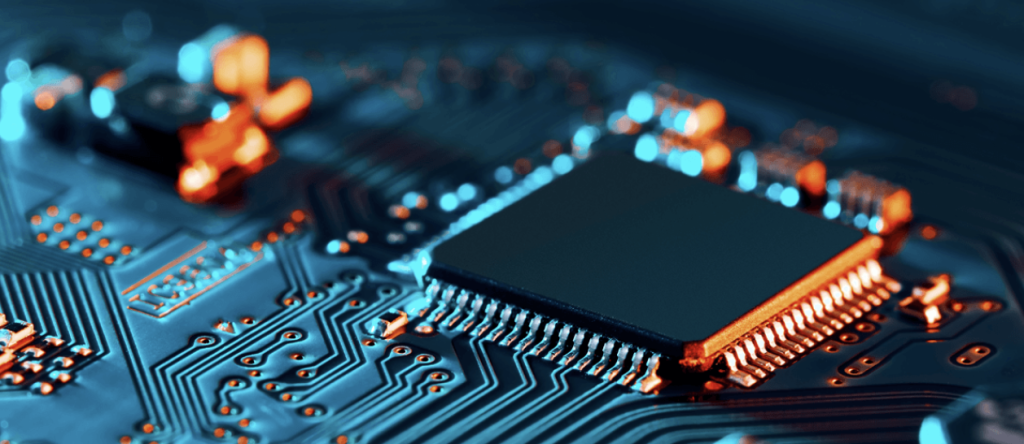
Navigating these challenges is crucial for high-end consumer electronics PCB manufacturers worldwide, with a keen eye on technological advancements, supply chain uncertainties, and evolving environmental considerations. The contributions from China’s consumer electronic PCB board industry play a pivotal role in shaping the competitive landscape of this dynamic global market.
consumer electronics pcb FAQ
1. Learn about the consumer electronics PCB manufacturing process?
The consumer electronics PCB manufacturing process is a vital journey starting with precise design using specialized software, translated into Gerber files. Engineers carefully select materials for flexibility and durability, followed by layering, copper cladding, and photoresist application for circuitry formation. Drilling enables component integration, and soldering secures electrical connections. Rigorous quality control ensures reliability, and surface finishing concludes the process. Packaged and shipped, these PCBs integrate seamlessly into consumer electronics, underscoring the efficiency of our technologically-driven world.
2. What factors help improve the quality of consumer electronics PCB?
Producing high-quality consumer electronics PCBs demands meticulous PCB design and assembly processes. Superior performance relies on factors such as material quality, layout design precision, and adherence to industry standards. In PCB design and assembly, careful attention ensures efficient component accommodation, promoting overall functionality and reliability. Advanced fabrication techniques contribute to durability, aligning with consumer electronics demands. Adhering to industry standards for consumer electronics PCBs guarantees quality, complemented by rigorous testing throughout production. This integrated approach, incorporating robust PCB design and assembly practices, establishes the foundation for reliable and high-performance consumer electronics PCBs.
3. Can consumer electronics PCBs be customized for specific applications??
Consumer electronics PCBs offer extensive customization options, allowing manufacturers to tailor dimensions, shapes, component placements, and functionalities to specific application needs. This adaptability ensures seamless integration into diverse electronic systems, ranging from compact devices like smartphones to complex industrial machinery. The ability to strategically position components and optimize functionality enables manufacturers to deliver high-performance solutions that meet the unique requirements of rapidly evolving consumer electronics.
4. How to ensure the reliability of consumer electronics PCB?
Reliability in consumer electronics PCBs is upheld through meticulous quality control protocols, comprehensive testing procedures, and unwavering compliance with industry standards. The incorporation of top-tier materials and the steadfast application of manufacturing best practices play instrumental roles in augmenting the enduring reliability of these electronic components. This commitment to excellence ensures that consumer electronics PCBs not only meet but exceed the stringent demands of modern electronic systems, fostering long-term dependability in diverse applications.
5.What trends are shaping the future of consumer electronics PCB technology?
The future trajectory of Electronics PCB technology is undeniably shaped by key trends, notably the ongoing pursuit of miniaturization, heightened complexity, and the incorporation of advanced materials. These trends, coupled with innovations in flexible and rigid-flex PCBs, are dynamically steering the evolution of electronic systems. Miniaturization continues to drive the development of smaller, more powerful devices, while increased complexity addresses the demand for multifunctional capabilities. The integration of advanced materials not only enhances performance but also enables the creation of more resilient and efficient PCBs. Notably, the evolution of flexible and rigid-flex PCBs marks a transformative shift, offering unprecedented design flexibility and facilitating the development of next-generation electronic applications. As these trends converge, the future promises a landscape where Electronics PCB technology plays a pivotal role in shaping the capabilities and possibilities of electronic systems.